YOUR NEEDS
Suitable for these needs
- 01There are samples, but the original three-dimensional data is missing.
- 02Old parts need to be modified, adapted or replaced
- 03Complex shapes need to be modeled and continue to design and prototype.
01 / REVERSE ENGINEERING
Only physical objects, no drawings? Scan the model first, then modify the structure as needed, produce drawings, and make prototypes.
Single entrustment is possible · Can be connected to subsequent R&D and processing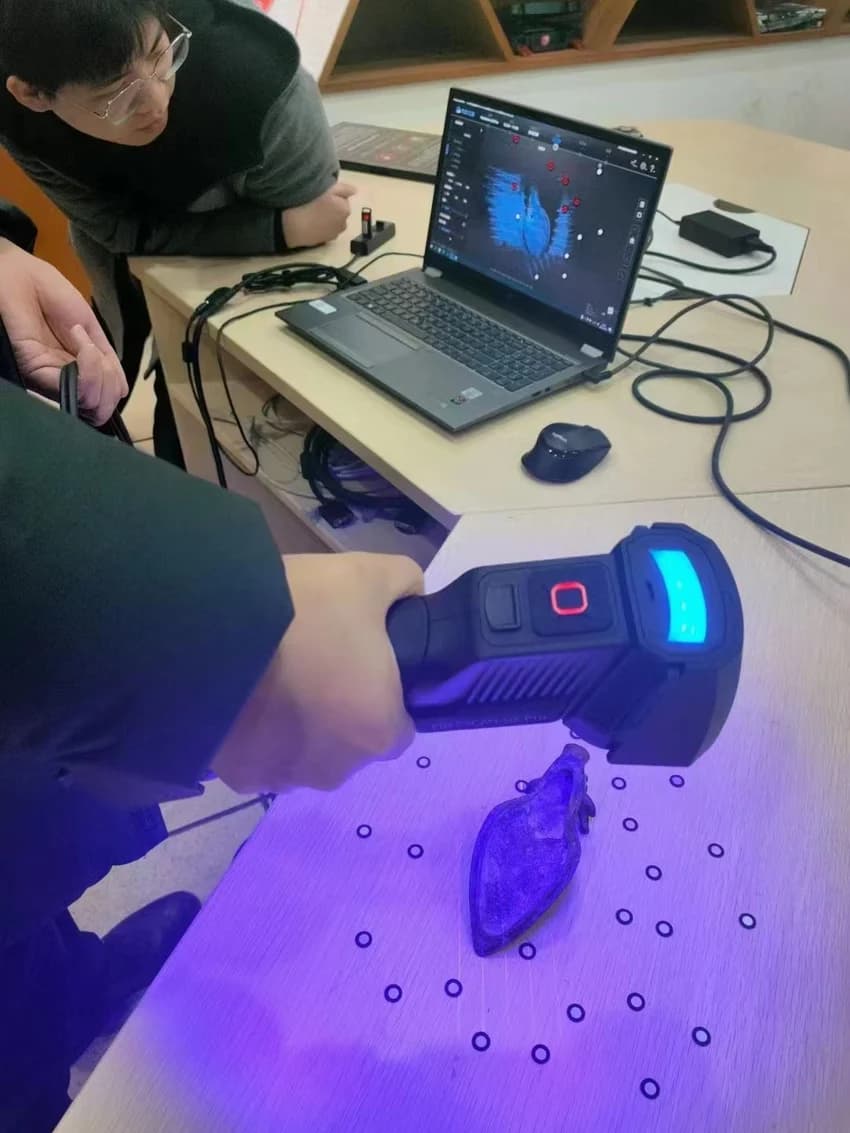
Service content
Starting from prototypes, old parts or mating parts, collect the outline and key dimensions, organize the scanned data, and reconstruct the surfaces or entities required for subsequent design. Whether we only need to scan the grid, or whether we need to change the size and produce engineering drawings, we will confirm together before starting.
YOUR NEEDS
YOUR DELIVERABLES
Actual photos, overall dimensions and sample status
Model purpose: display, modification, proofing or mold making
Key dimensions, tolerance requirements and expected file formats
Look at pictures and actual work
Advancing around specific products and uses, each stage has results that need to be confirmed.
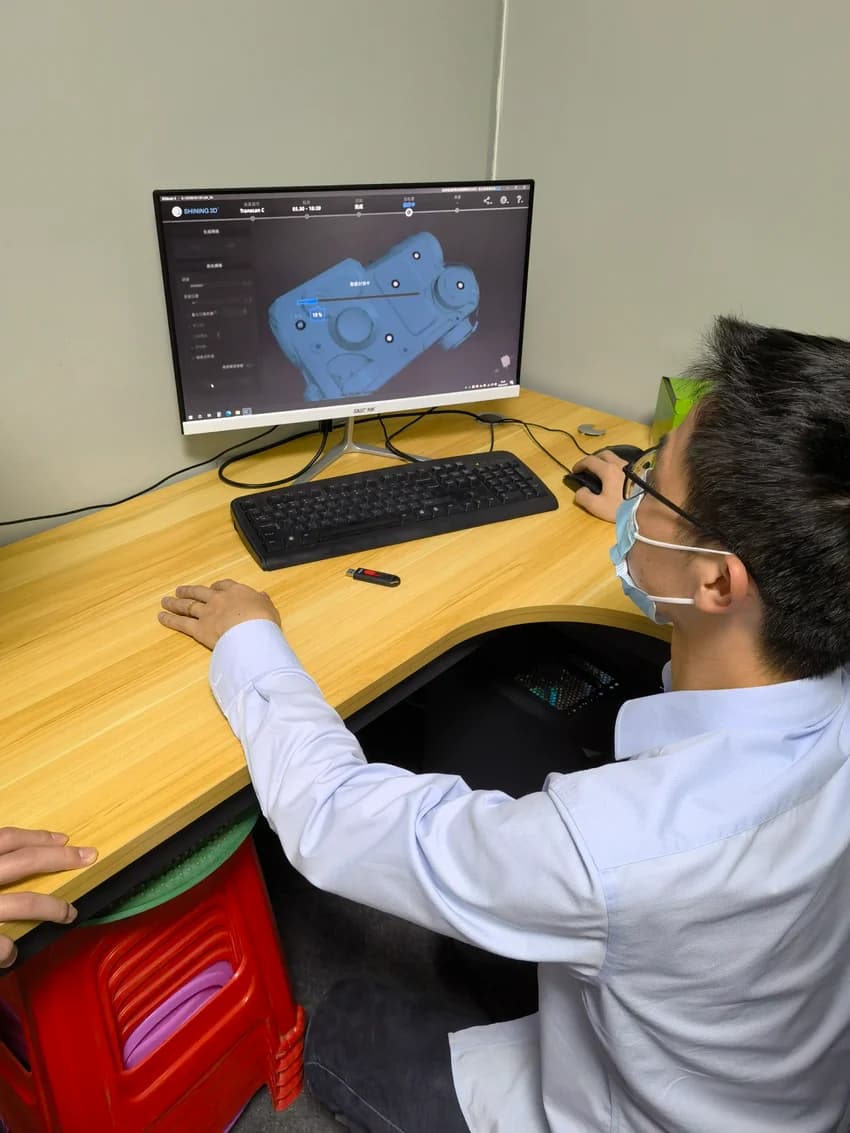
Combined physical inspection of shape and details to prepare data for surface reconstruction, modification and engineering drawings.
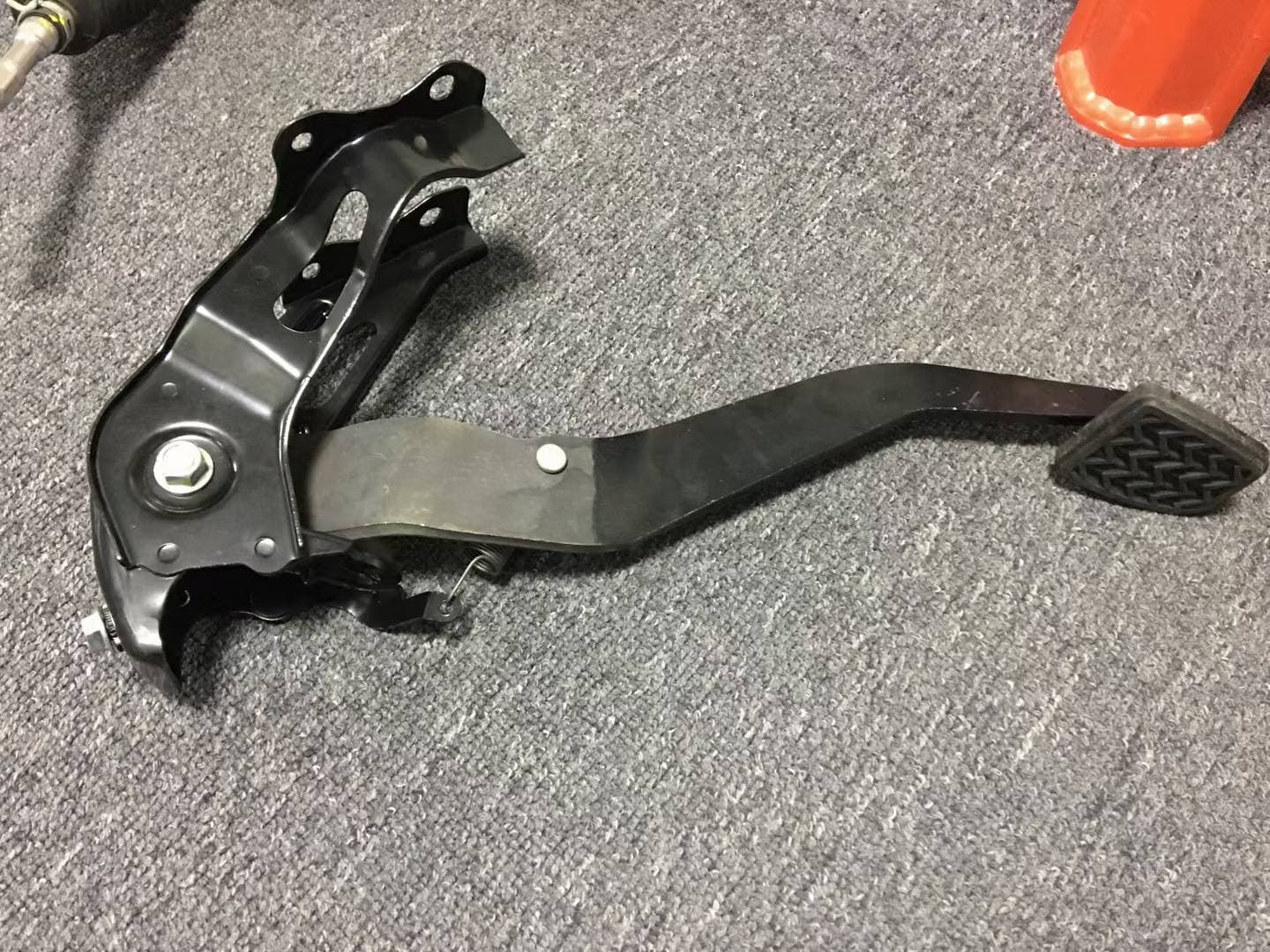
Pay attention to the installation position, motion relationship and matching dimensions, and then determine the measurement and modeling range.
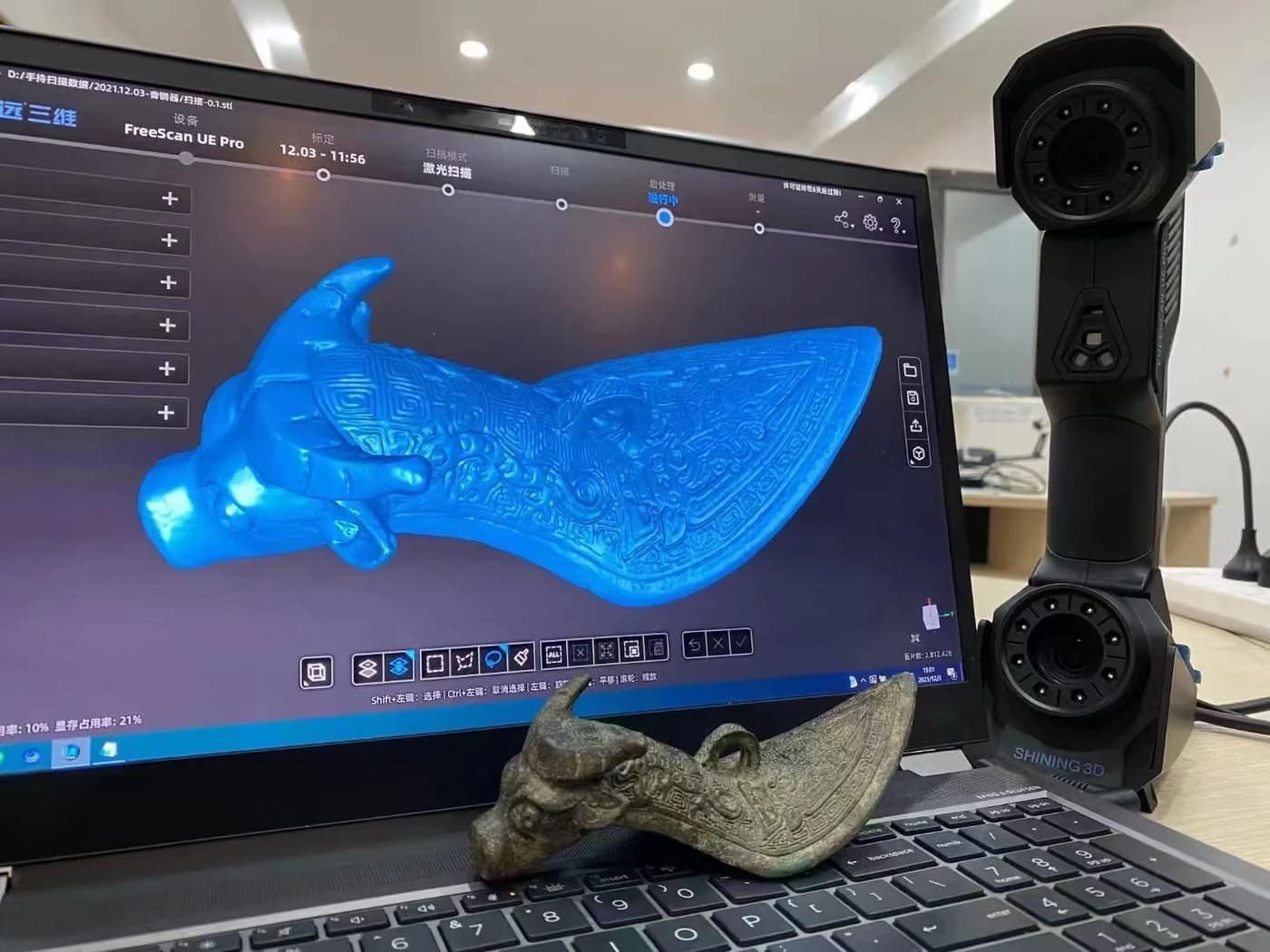
Clarify the key dimensions and acceptance methods, not just whether the model appearance is similar.
Look at the sample and confirm where it needs to be tested
Scan and measure to check missing areas
Reconstruct the surface or solid body and process the parts that need to be modified.
Check the dimensions and deliver according to the agreed format
Confirm first before starting work
evaluated based on size, surface complexity, disassembly and assembly conditions, and model requirements. Send photos and usage first to confirm whether samples need to be sent or collected on-site, and then give a schedule.
Send information and evaluate the project ↗Photos, dimensions and usage can be sent first. After confirming whether the sample requires disassembly, surface treatment, and transportation protection, make an appointment to send it or collect it on site.
Depends on the purpose and structural integrity of the delivery model. It is still necessary to check wall thickness, demoulding, assembly, material shrinkage and other conditions before opening the mold; continue to connect structural design and prototype verification if necessary.
Communicate directly with your product owner
Send photos, drawings or requirements descriptions, and confirm together how to do it, what to deliver, and how long it will take.